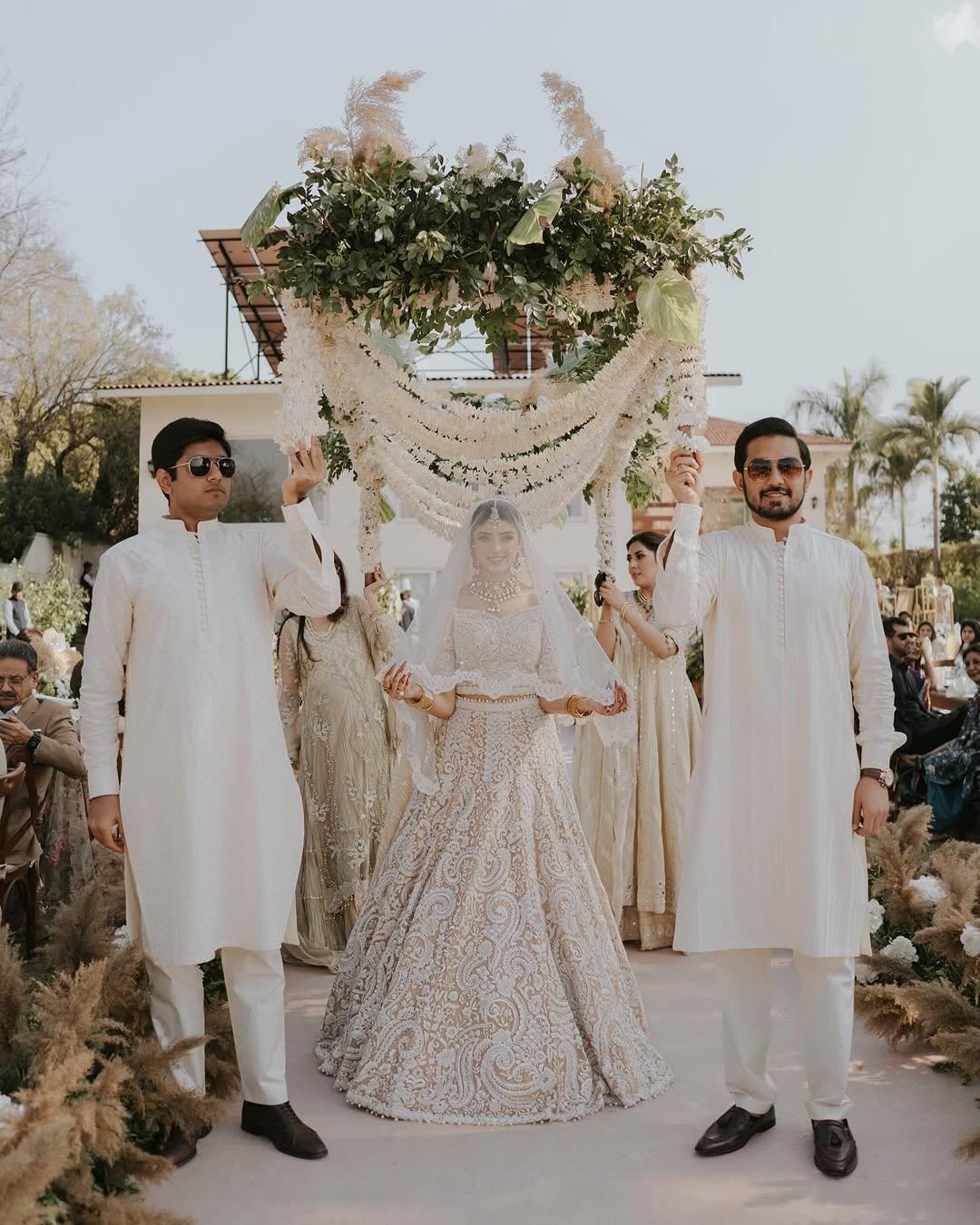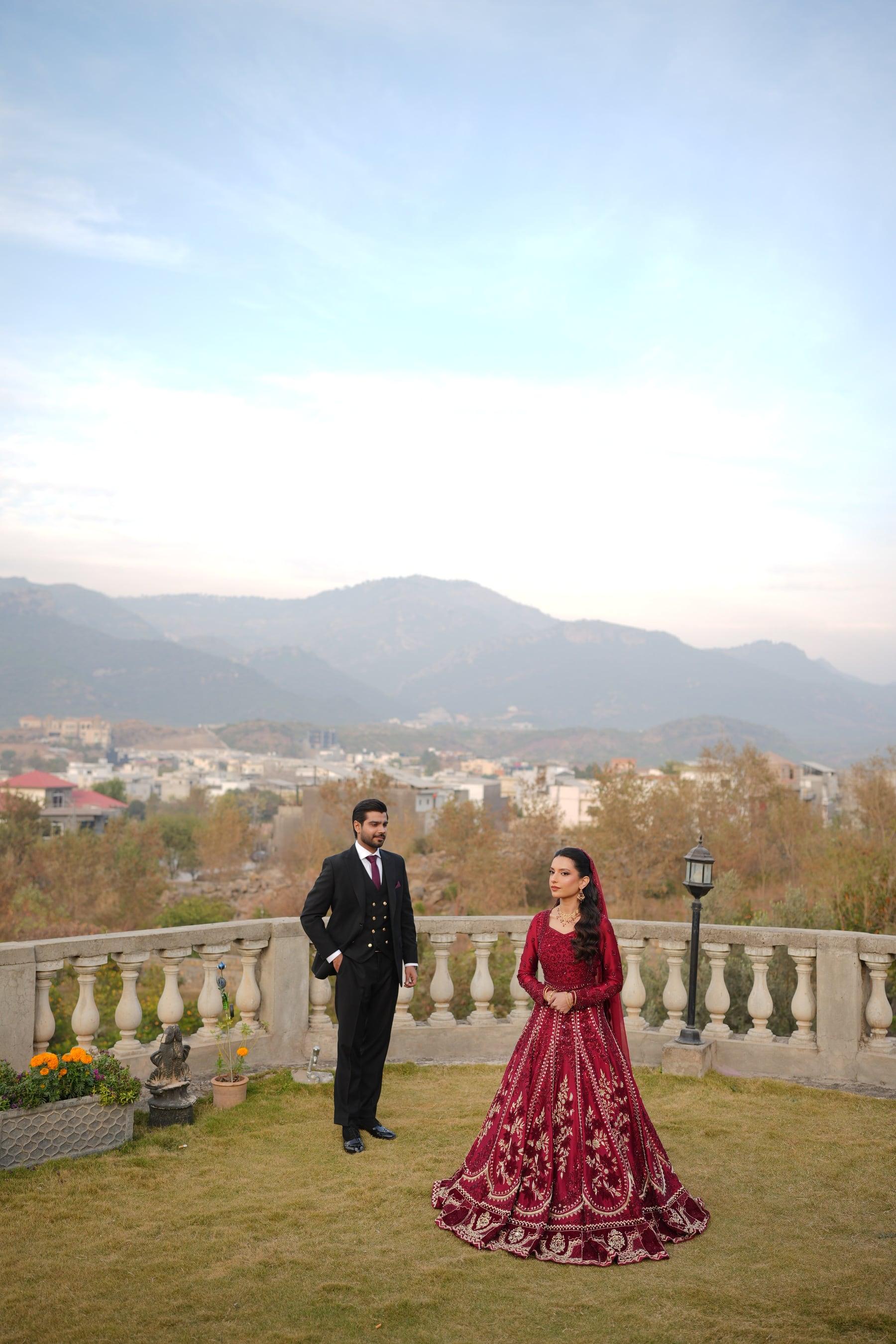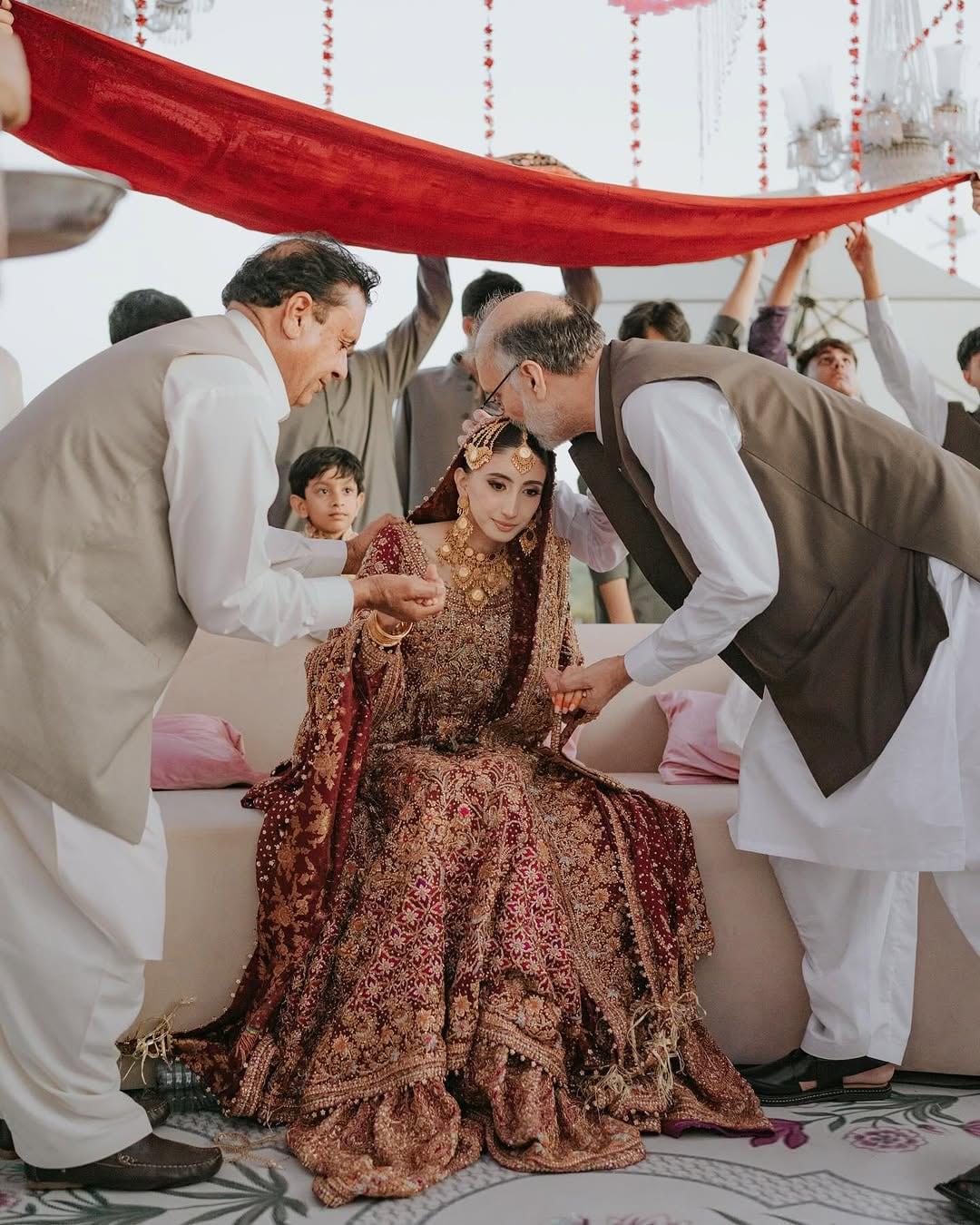
Most weddings we photograph run across three or four days, and each one has its own rhythm. Treating them as one long event is the most common reason families end up with five hundred dance photographs and no portrait of the grandparents.
Mehndi: details first, dancing later
We split the mehndi in two. The afternoon, when the henna is fresh and the light is soft, is for hands, garlands and the women of the family. The evening is for the dholki and the dancing, which is where a second camera earns its place.
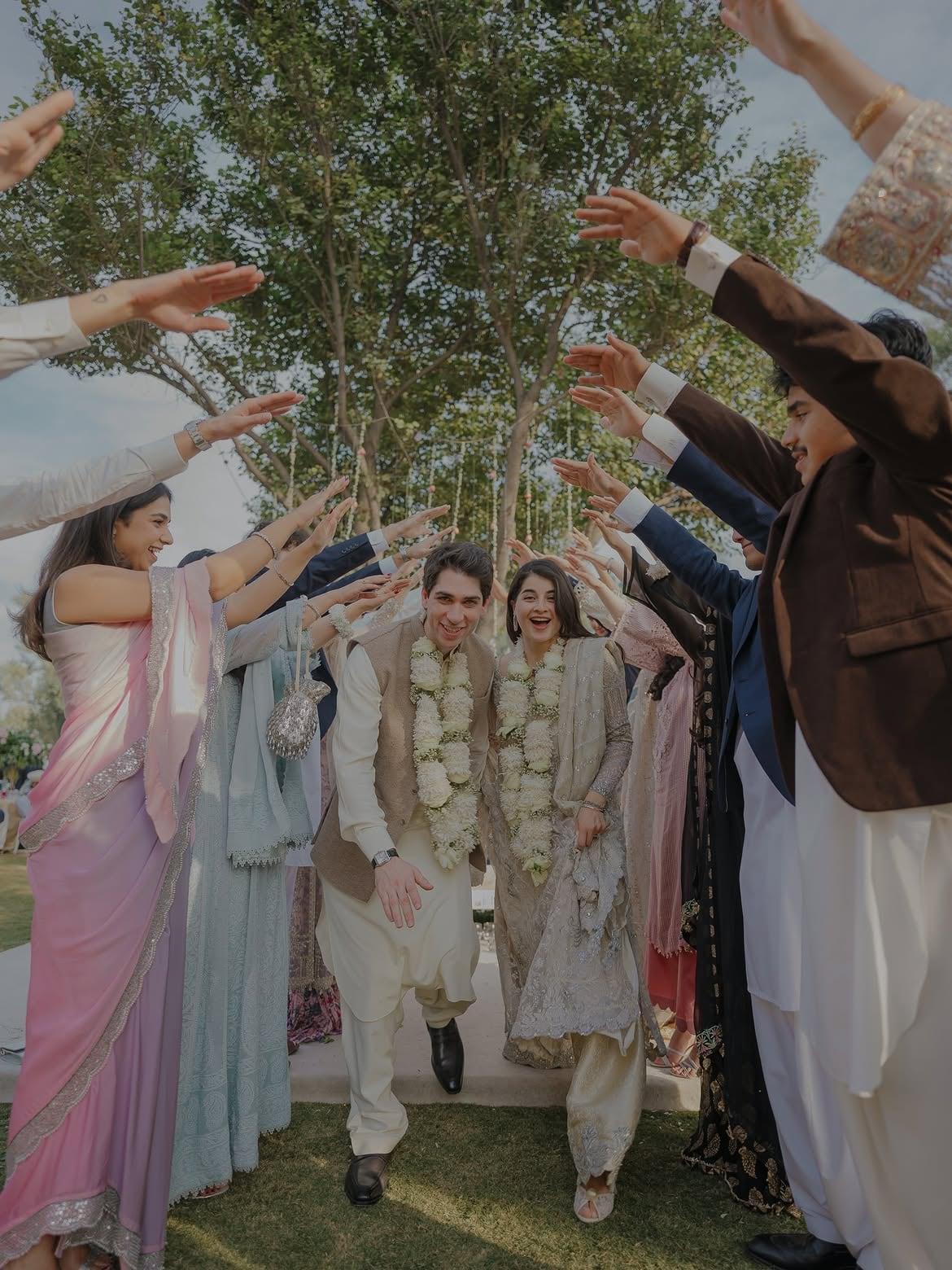
Nikkah: quiet, short, close
A nikkah is often twenty minutes long and deeply private. We work from the edges with a long lens and agree in advance where we can and cannot stand. If the ceremony is separate from the baraat, it deserves its own coverage time rather than a corner of the evening.
Baraat: protect the half hour before
The baraat is the busiest day and the one with the least spare light. The single most useful thing you can do is give us thirty minutes with the bride, dressed and ready, before the groom’s family arrives. That half hour is where most of the album’s portraits come from.
Give the bride thirty quiet minutes before the doors open. Nothing else in the timeline matters as much.
Walima: families, finally sitting down
By the walima everyone is relaxed. It is the best day for family groupings and for the couple portraits you did not have time for at the baraat.
A checklist to send your photographer
- Dates, venues and start times for every event
- The thirty-minute bridal window on the baraat day
- A list of family groupings, in order, with a cousin who knows everyone
- Any rituals you want covered: sehra bandi, rukhsati, doodh pilai
- Rooms or moments that are off limits
If you are deciding how many photographers you need across these days, our collections are built around exactly this question.
See how this plays out in a real sequence in our portfolio, or compare the packages.
Share